BRAINS Lab

The BRAINS Lab at Florida State University
The Biobehavioral Research on Addiction and INternalizing Syndromes Lab
The BRAINS Lab uses a translational biobehavioral research framework to understand the mechanisms underlying substance use and addiction, particularly when they co-occur with other psychiatric disorders. Our ultimate goal is to reduce the suffering and public health burden associated with these conditions by identifying reliable markers of risk and treatment response and developing novel, scalable interventions targeting modifiable mechanisms of psychopathology.
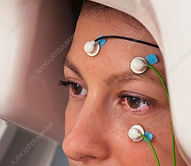
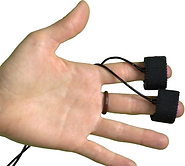
Our research integrates experimental laboratory models with multiple methodologies, including EEG/ERP, peripheral psychophysiology, salivary/plasma assays, behavioral tasks, drug administration, neurostimulation, ecological momentary assessment, and wearable technology. Although our current research focuses primarily on Cannabis Use Disorder, our broader goal is to identify mechanisms of substance use and addiction that can inform assessment and treatment across substance use disorders.

Our Mission
Risk Assessment
Our first objective is to identify and characterize biobehavioral mechanisms that contribute to substance use disorders. We use experimental paradigms to isolate theoretically derived mechanisms and examine them with multiple methodologies, including EEG/ERP, peripheral psychophysiology, salivary/plasma assays, behavioral tasks, drug administration, neurostimulation, ecological momentary assessment, and wearable technology. A major emphasis of our work is developing reliable measures that can serve as clinically useful indicators of disorder risk, course, and treatment response, as well as potential targets for intervention.




Treatment Development
Our second objective is to develop and evaluate novel, mechanism-targeted treatments within a precision medicine framework. We are particularly interested in scalable treatments that can target specific biobehavioral mechanisms rather than relying solely on symptom-based approaches.
Our treatment research increasingly incorporates neurostimulation and digital mental health technologies, including transcranial alternating current stimulation, computerized and smartphone-based interventions, ecological momentary assessment, wearable sensors, and just-in-time support. By combining real-time measurement with mechanistic models of psychopathology, we aim to develop personalized interventions that can be delivered when they are most needed.